Industrial & facilities engineering
Make the next fix hold.
You already keep the plant running. Sharpen your diagnosis, choose the right intervention, and turn more of your fixes into lasting improvements.
Bring a problem from your floor. Work through the evidence, spot what the obvious fix could miss, and take a stronger decision back to the job.
Six patterns to catch before the next intervention
- Fix before diagnosis Choose the intervention after you establish the cause. 9 articles
- Identity vs compatibility Know what makes a replacement fit the duty. 7 articles
- Judge by appearance Base the call on condition, not just appearance. 5 articles
- Improvise before escalating Recognize when escalation is the strongest next move. 3 articles
- Encode everything Keep part identities clear as the system grows. 3 articles
- Blame the operator Find the system conditions behind a recurring error. 3 articles
A sharper view of your next problem
Browse all 155 articles →- Ancillary services Ancillary services support reliable power-system operation in addition to energy supply.
- Apportionment measures a shortage, not a cause Pipeline apportionment is a tariff-governed reduction of valid shipper nominations when requests for a service or path exceed the capacity available for the period.
- Approved, financed, and built are three different things A large energy project passes through a sequence of decisions made by different bodies under different tests, and each produces a document that can be mistaken for completion.
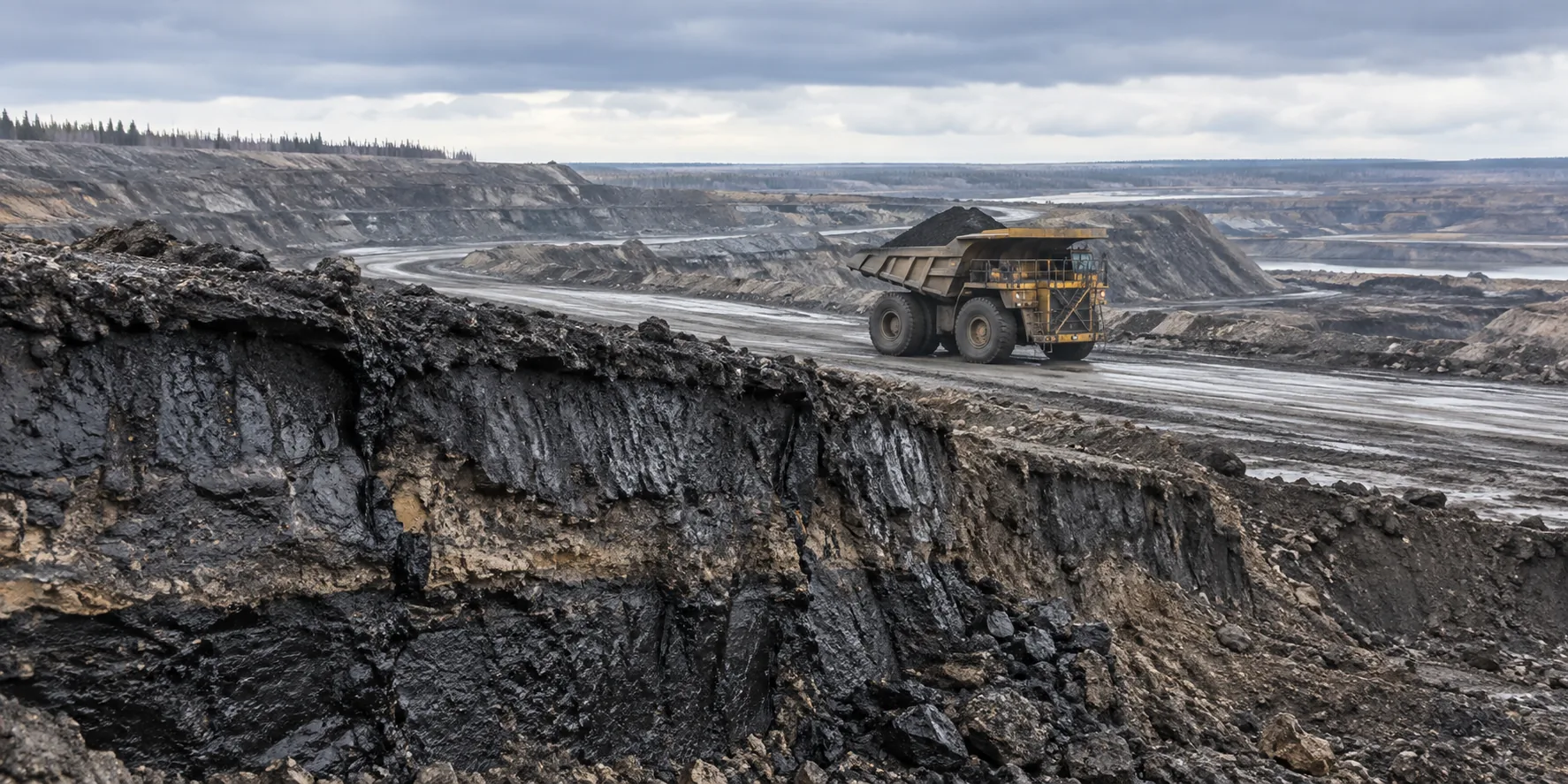
- Bitumen Crude bitumen is the naturally occurring petroleum component of oil sands.
- CANDU reactors CANDU is a family of Canadian-designed pressurised heavy-water power reactors.
- Capacity means six different things The word capacity names at least six different measurements in Canadian energy, and they share nothing but the word.
- Cold-climate heat pumps A cold-climate air-source heat pump is designed and rated to retain useful heating capacity and efficiency at lower outdoor temperatures than a conventional model.
- Comparing heating costs between provinces Comparing heating costs between provinces means reconstructing the comparison before running it. The systems being compared have to deliver the same useful heat to the same building under the same weather, with prices, efficiencies and units matched.
- Condensate Condensate is a light hydrocarbon liquid recovered with natural gas production.
- Decline rates A decline rate describes how an oil or gas production rate changes over time or over cumulative production, under a stated model and basis.
- Diluted bitumen Diluted bitumen is a crude-oil blend made by mixing produced bitumen with a lower-viscosity hydrocarbon so the blend meets transport or handling requirements.
- Does a wider WCS differential mean producers lose that much per barrel? No. A benchmark differential and a producer's revenue are two different calculations, and neither one is an input to the other.
The monthly Shoring Labs newsletter
Keep raising the standard.
Build on what you know. Each month, get a practical look at a field problem: the evidence to look for, the assumptions to test, and the decisions that help a fix hold.
Start with your next assessment. After you subscribe, you can view the evidence-before-intervention field checklist on screen — our welcome resource to help you put a sharper decision process to work.
One newsletter a month. Unsubscribe any time.